From one bulky item to a full property reset, Koreatown cleanups benefit from a practical, coordinated approach. Local projects may involve dense apartment buildings, restaurants, retail spaces, and limited-loading urban blocks, so the removal plan should match the site rather than rely on a one-size-fits-all routine.
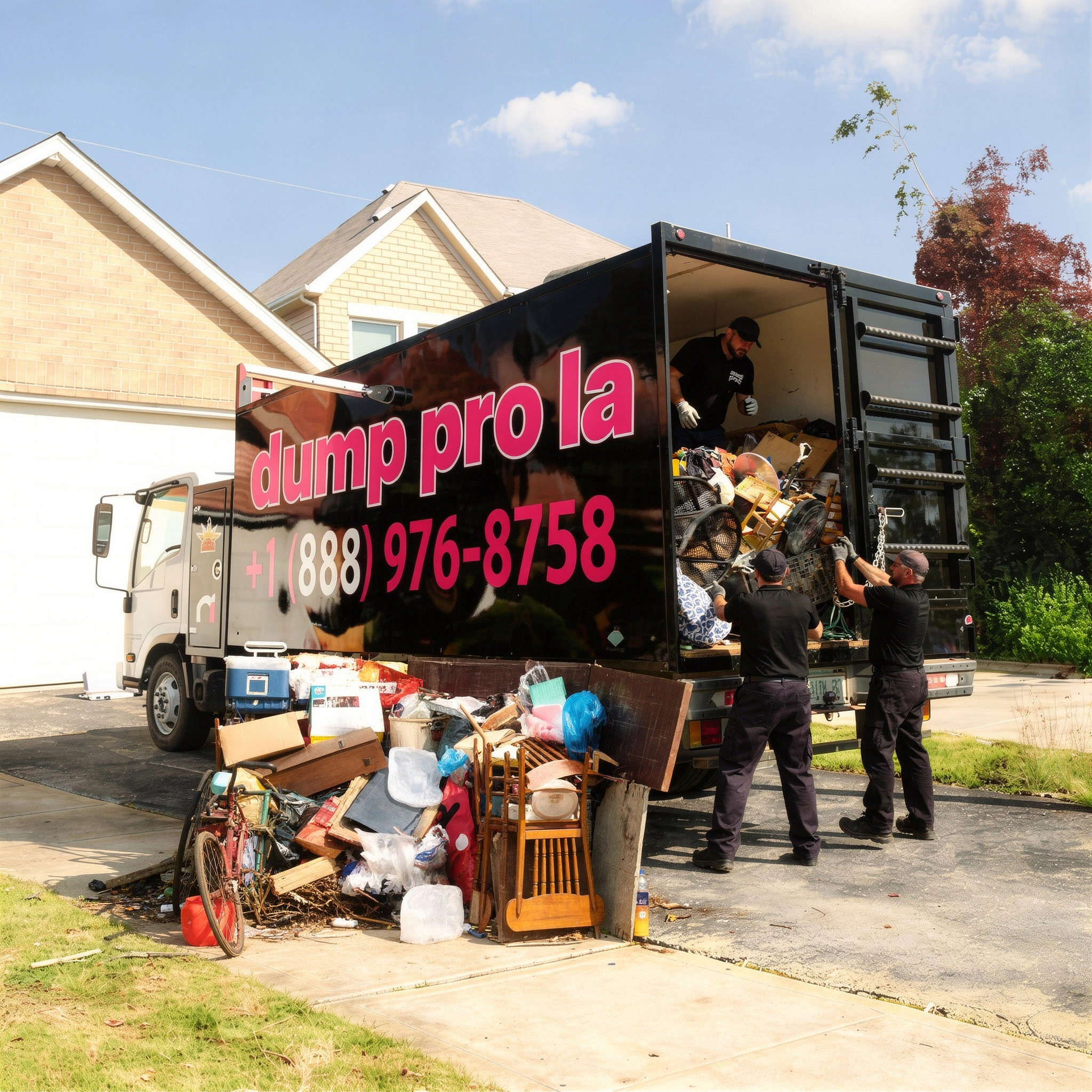
Our service approach covers residential pickups, commercial cleanouts, landlord turnovers, estate clearing, and debris hauling. Each job is organized to reduce delays, protect surrounding areas, and leave the pickup zone ready for its next use.

In Koreatown, scheduling can be shaped by parking, loading access, building rules, traffic, stairs, elevators, or hillside conditions. Sharing those details in advance helps the crew arrive with the right plan and keeps the pickup moving efficiently.
The objective is not only to remove unwanted material, but also to leave the area orderly and easier to use. For Koreatown properties, that may mean coordinating with managers, protecting common areas, separating reusable items, or timing work around business and neighborhood activity.
Get practical guidance for a Koreatown removal project.
Review the details that often matter most when arranging furniture removal, cleanouts, debris hauling, or a larger property reset.
Common pickups include furniture, appliances, household clutter, office contents, yard-related debris, and many non-hazardous renovation materials. The exact list can be confirmed when the project is scheduled.
You usually do not need to move heavy items outside. Clear a safe path when possible, identify everything that should go, and mention stairs, elevators, gates, parking limits, or building requirements in advance.
Yes. Scheduling can account for loading zones, gated entries, property management rules, narrow streets, and other access details common around Koreatown. Providing accurate information early helps avoid delays.
Pricing generally reflects the amount of space items occupy, labor, material type, access difficulty, and any unusual handling requirements. A clear scope helps produce a more accurate estimate before work begins.
When practical, materials may be separated for donation, reuse, or recycling. Disposal decisions depend on item condition, local facility options, and the rules that apply to the material being hauled from Koreatown.